Systems for ranches that sell beef direct
A half beef is sold months before it is cut, paid for in two parts and picked up on one busy weekend. We connect the deposit, the processing date, the cut sheet, the hanging weight and the pickup, so each buyer gets the right beef and the right final bill.
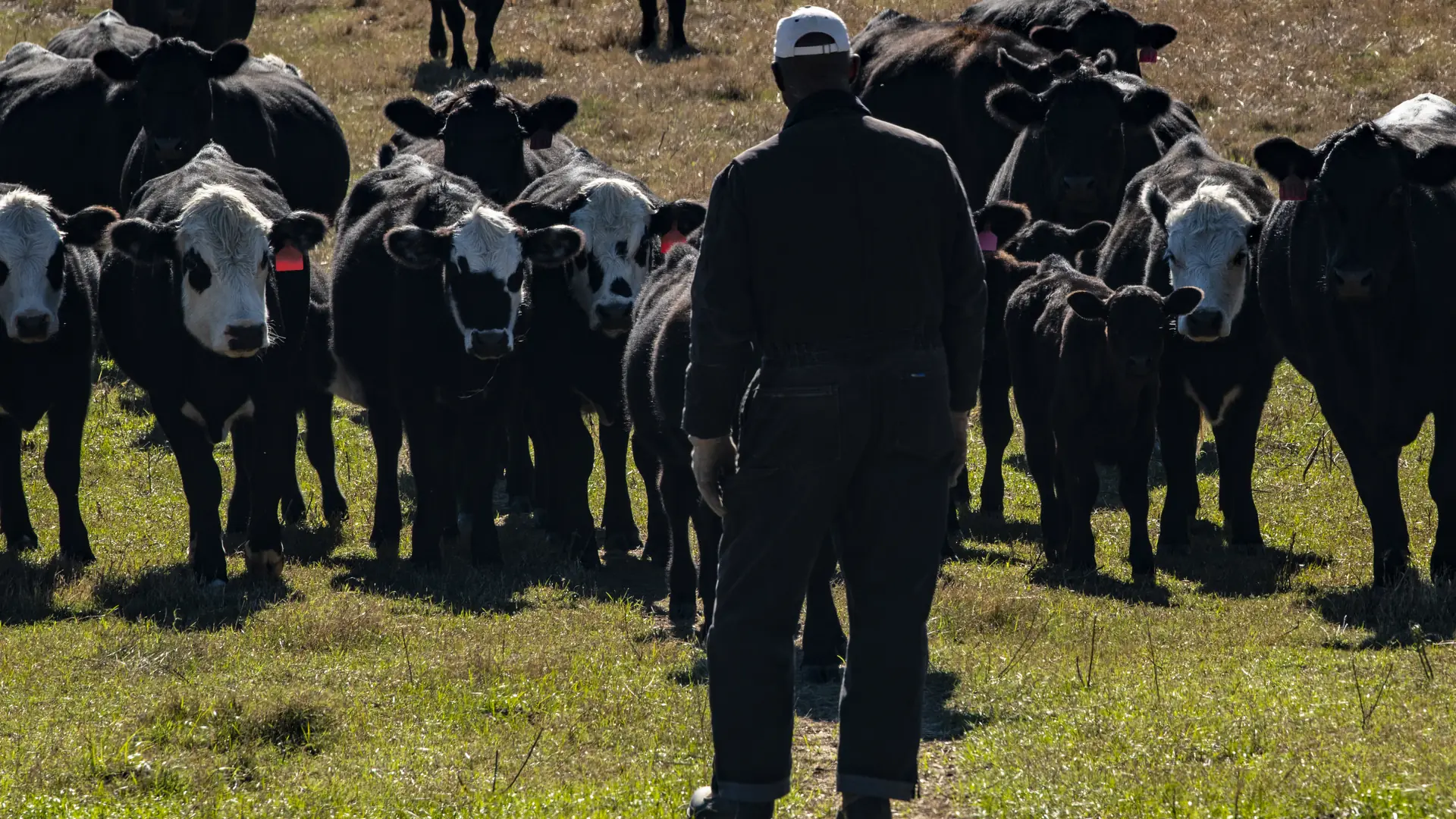
Photo: U.S. Department of Agriculture
What we hear
The week, as it runs today
Ranches that sell by the half, the quarter or the bundle often describe these. Discovery is where we find out which ones are yours.
- Deposits arriving by check, card and payment app, matched to buyers from memory.
- Processing dates booked a year out, on a calendar by the phone.
- Cut sheets chased by text the week the processor needs them.
- Final bills worked out on a calculator from the hanging weights.
- Pickup day run from a clipboard, with every buyer arriving at the same hour.
- Retail cuts in the freezer counted by hand before every farmers market.
- A waitlist in a notebook, and last year's buyers never asked again.
What we would set up
The pieces we would look at first, and how each is usually built. Filter by the label: standard features cost less to run and upgrade than custom work.
- Native Built into the standard software
- Configuration Set up, no code
- Custom Development we build
- Integration Connects another system
- Exploratory Needs validation first
-
Reservations and deposits
Halves, quarters and bundles reserved online or by phone against a processing date, with a deposit paid online and the balance due on the final bill.
NativeConfiguration -
Processing dates
Each processor appointment with the head going, whose halves and quarters they are and the haul date, so you never sell more beef than you have going.
ConfigurationCustom -
Cut sheets
Each buyer fills in their own cut sheet online before the processor's deadline, with a reminder when it is late, and every sheet for the date goes to the processor together. Sending them into a processor's own system, where it has one, is checked first.
CustomIntegrationExploratory -
Hanging weight billing
When the weights come back, each final bill is worked out from the hanging weight at your price per pound, less the deposit, with processing shown the way you arrange it with your processor.
Custom -
Pickup and delivery
Buyers book a pickup time, delivery runs get a load list, and boxes are checked off as they go out.
NativeConfiguration -
The freezer as stock
Retail cuts in the freezer counted as stock by cut, so the website and the market table sell from the same count.
NativeConfiguration -
A point of sale for the market
A phone or tablet at the farmers market takes card payments and takes each sale off the freezer count. Card readers connect through a payment provider.
NativeIntegration -
Waitlist and repeat buyers
When a date is full, buyers join a waitlist and are offered the next opening. Last year's buyers are offered next season's dates first.
NativeConfiguration -
Calls and texts from buyers
An assistant that says it is automated answers the questions you approve about halves, dates and pickup, gives no total before the hanging weight is known, and texts the reservation link after a yes. Nothing is reserved until the buyer finishes or a person confirms.
Integration
Nothing in this list is built that way. Choose All.
How beef may be sold and labeled, as inspected cuts or as custom-exempt halves and quarters, is set by the USDA, your state and your processor. The system keeps the records and applies what they decide.
One example
One half, from deposit to pickup
Reserved
The buyer picks a half for a processing date and pays the deposit online.
Cut sheet in
The buyer fills in the cut sheet before the processor's deadline; a reminder goes out if it is late.
Processed
The animal goes on its date with every cut sheet, and the hanging weight comes back to its record.
Billed
The final bill is the hanging weight at your price per pound, less the deposit.
Picked up
The buyer pays the balance, picks up at a booked time and is asked about next season.
Prices, deposits and what happens when a buyer cancels are your policy, written down once and applied the same way every time. Your accountant confirms the tax settings. You can follow a sample reservation like this one in the workflow demo.
Add-ons and customizations
Make it yours
Add these once the halves are on one list.
-
Final bills by text
When the hanging weight is in, each buyer gets the final bill with a payment link, less the deposit. No total is given before then.
NativeCustom -
Review requests
After pickup, every buyer gets the same request for a review.
Configuration -
Referral program
Buyers who bring a neighbor get the reward you set, and each referral is tracked.
NativeConfiguration -
Buyers' community
A space for pickup news, cooking tips and next season's dates.
Native
Forward deployed engineering
Where an engineer would start
An engineer from Kavalo works beside you, on the ranch and remotely, and ships changes every week. On a ranch that sells beef direct, the first days usually look like this.
- Days 1 and 2
Last season's halves, start to finish
The deposits, the processor's calendar, the cut sheets, the final bills and the pickup list laid out with you: every step, and who did it.
- Week 1
One map, one first fix
The path from the first message to the last box on one page, and one change you use that week, such as deposits paid online against a processing date.
- Week 2 onward
Build, test, hand over
Each week a written plan, changes tested on a copy first, and a Friday note: what shipped, what is next, what needs your decision.
Worth reading first
Talk through your beef sales
The free consultation starts with your season: reservations, processor dates, cut sheets, final bills and pickup. Then we talk about what to change first.