Systems for guest ranches
A guest ranch sells a stay, not a seat. The cabin, the meals, the rides and the wranglers all have to fit, for every guest, every day. We connect the booking, the waivers, the horses, the kitchen's list and the morning roster, so the whole stay runs from one record.
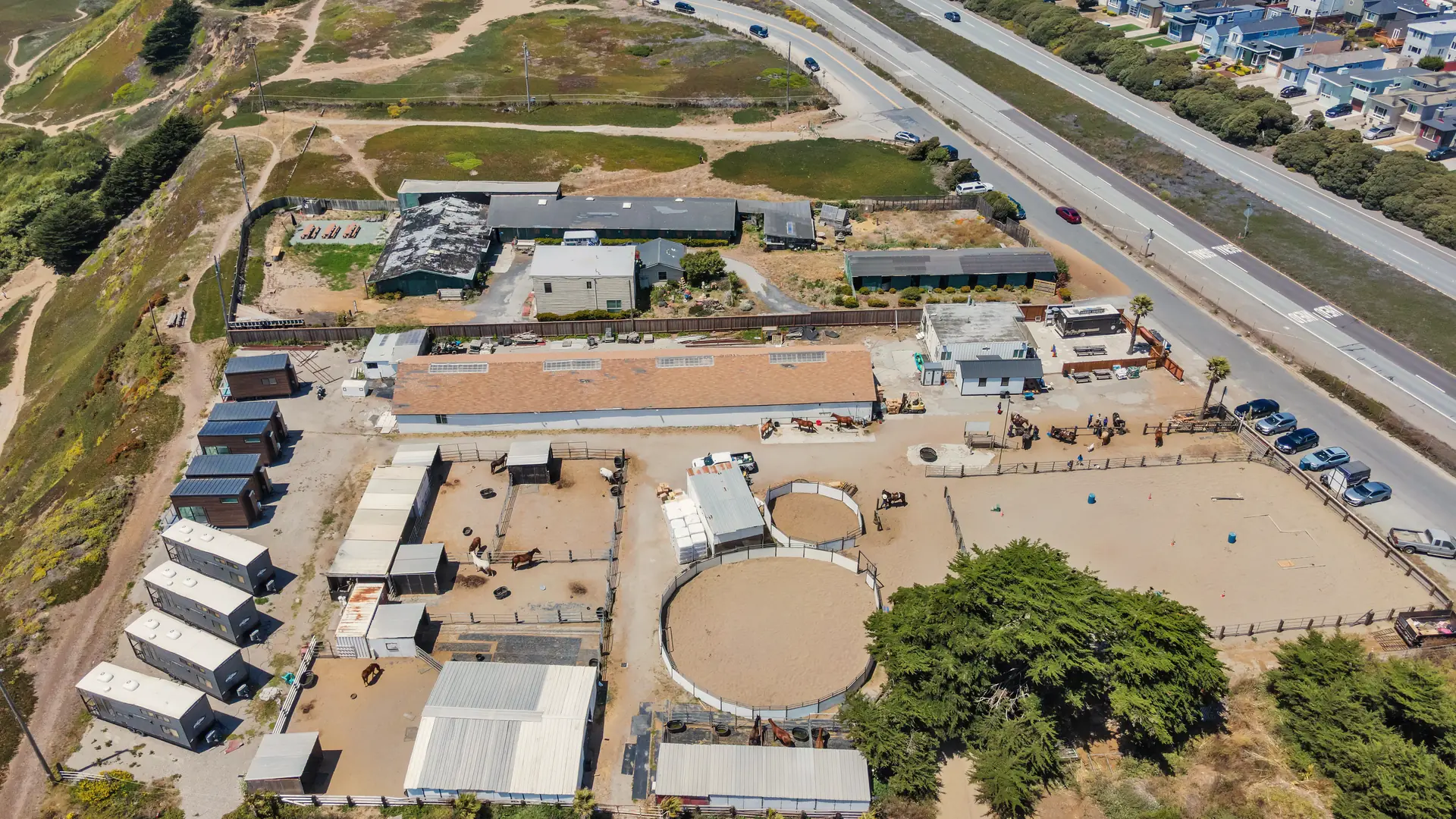
Photo: Ocean View Stables and its guest pods, the founder's own ranch
What we hear
The week, as it runs today
Guest ranches often describe these. Discovery is where we find out which ones are yours.
- Inquiries and group quotes answered by email, days later.
- Cabins on a wall calendar, and a double booking found at check-in.
- Waivers chased at arrival for every rider in the family.
- The ride board and the horse assignments rebuilt every morning.
- Allergies and dietary notes copied from the booking email to the kitchen by hand.
- Deposits, balances and cancellations handled a little differently every time.
- Seasonal wranglers and kitchen staff started each spring from scratch.
What we would set up
The pieces we would look at first, and how each is usually built. Filter by the label: standard features cost less to run and upgrade than custom work.
- Native Built into the standard software
- Configuration Set up, no code
- Custom Development we build
- Integration Connects another system
- Exploratory Needs validation first
-
Stays, cabins and packages
Cabins booked by date, with packages that bundle the stay, the meals and the rides, priced by season. Part of this is set up and part is built.
ConfigurationCustom -
The reservation system you already use
If a lodging reservation system already runs your bookings well, we connect it to the rest of the ranch rather than replace it, after checking what it allows.
IntegrationExploratory -
Rides and activities
Rides and activities scheduled each day with horses and wranglers as resources, so neither is booked twice, with each guest's riding level on the list.
NativeConfiguration -
A waiver for every rider
Each guest who rides signs their own waiver before arrival, a guardian signs for a child, and the roster shows who is cleared.
Custom -
Meals and dietary notes
Allergies and dietary notes collected with the booking and printed on the kitchen's list for every meal of the stay.
ConfigurationCustom -
Deposits and your cancellation policy
Deposits and balances on the schedule you set, and cancellations handled by the policy you publish, the same way every time.
NativeConfiguration -
Group and family bookings
One booking for the family or the group, with each guest named, and their cabin, rides and waiver.
ConfigurationCustom -
The morning roster
Arrivals and departures, rides, horses and wranglers, anyone not yet cleared, and the meal count, sent to staff before breakfast.
Custom -
Seasonal staff
Wranglers, kitchen and housekeeping staff onboarded each season, with their schedules and access that ends with the season.
NativeConfiguration -
Inquiries and after-hours calls
Inquiries in one pipeline with an owner and a follow-up date. After hours, an assistant that says it is automated answers the questions you approve and takes the request for a person to quote.
NativeIntegration
Nothing in this list is built that way. Choose All.
If you run day rides without overnight guests, see systems for trail rides and riding experiences.
One example
One family's stay, start to finish
Booked
The family picks a cabin and a package, and pays the deposit online.
Everyone named
Each guest is added with their riding level and dietary notes and signs a waiver; a guardian signs for each child.
Stay planned
Rides and activities go on the schedule with horses and wranglers, and the kitchen gets its list.
Each morning
Staff get the day's roster: arrivals, rides, horses, anyone not cleared, and the meal count.
Checked out
The balance is settled by your policy, and a thank-you goes out with an invitation to come back.
Prices, deposits and the cancellation policy are yours, as you publish them; the system applies them the same way every time. Who rides which horse, and whether a guest rides at all, stays with your wranglers and you. Your attorney and insurer decide what the waiver says.
Add-ons and customizations
Make it yours
Add these before the season's bookings open.
-
WhatsApp messaging
Guests who prefer WhatsApp message you there, in the same inbox.
Integration -
Ad campaigns
Ads for the season, with every inquiry landing in your pipeline.
NativeIntegration -
Directory listings
Your ranch, season and phone the same across online directories and map apps.
Integration -
Your own app for guests
Returning guests get your news and next season's dates in an app with your ranch's name.
NativeConfiguration
Forward deployed engineering
Where an engineer would start
An engineer from Kavalo works beside your team, on the ranch and remotely, and ships changes every week. On a guest ranch, the first days usually look like this.
- Days 1 and 2
A changeover day and a morning at the barn
Arrivals, departures, cabin turns, the ride board and the kitchen's list: every hand-off written down as it happens.
- Week 1
One map, one first fix
The path from inquiry to checkout on one page, and one change the team uses that week, such as a morning roster made from the bookings.
- Week 2 onward
Build, test, hand over
Each week a written plan, changes tested on a copy first, and a Friday note: what shipped, what is next, what needs your decision.
Worth reading first
Talk through your season
The free consultation starts with your season: inquiries, cabins, rides, the kitchen and the staff. Then we talk about what to change first.