Ranching
Systems for cattle ranches, beef sold direct and guest ranches
Tags in a pocket notebook, beef deposits in a text thread and hanging weights on the processor's sheet: a ranch's records are spread over a lot of ground. We connect the herd, the pasture, the buyers and the money, so the corrals, the pasture and the ranch office work from one record.
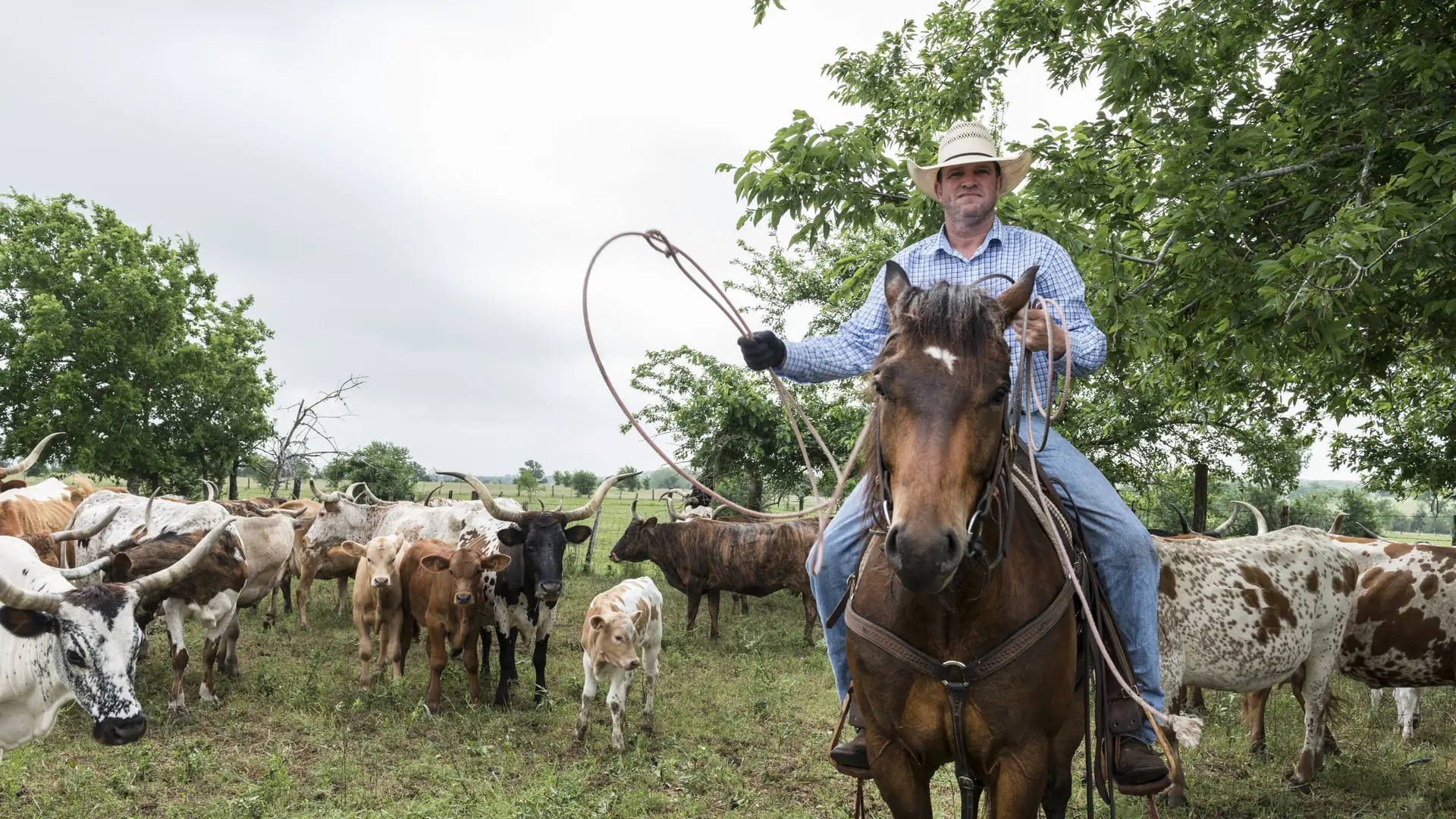
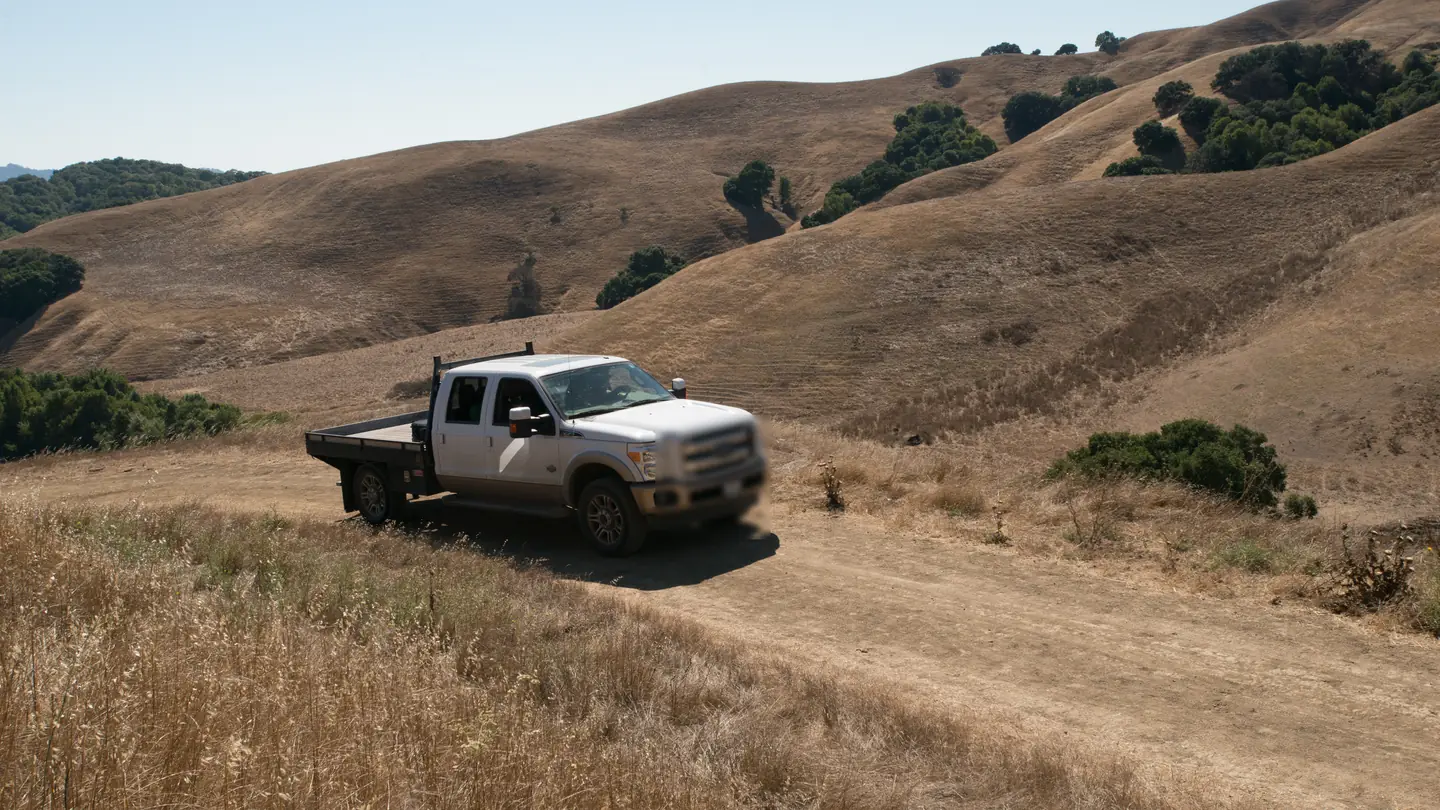
Photo: Carol M. Highsmith, Library of Congress
Pick your kind of operation
Three kinds of ranch, each with its own year. See what we would set up for yours.
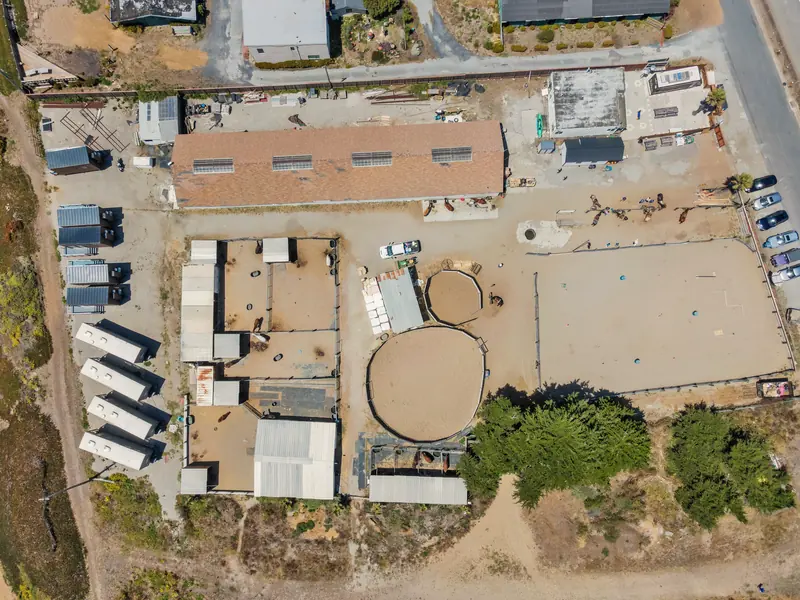
Photos: U.S. Department of Agriculture; Ocean View Stables, the founder's own ranch
Large-animal vets and farriers who work on ranches: see systems for veterinary practices and systems for farriers.
Walk through a ranch
Pick a place to see what we set up there
A model of a typical operation, not a client's. Pick a place to see what we set up there and how its work reaches the rest of the operation.

-
Buyers
Calls about beef, cattle and stays are answered, and every deposit lands on the buyer's record.
- Halves and quarters reserved with a deposit
- Cut sheets collected before the processing date
- Calls answered after hours, within your bounds
- Pickup times confirmed by text
-
Corrals
Working days recorded as the cattle come through the pens.
- Herd records with tags
- Calving and working days
- Cattle sold with weights reconciled
- Hauling to the processor scheduled
-
Pasture
Moves, water and fence checks that do not depend on someone remembering.
- Pasture moves and grazing days
- Water and fence checks, assigned and checked off
- Hay and feed on hand
- Equipment service on schedule
-
Ranch office
The final bill goes out when the hanging weight comes in, with the deposit already on it.
- Final bills by hanging weight
- Deposits applied to the right buyer
- Hired help hours ready for payroll
- Herd and sales reports
What we look at in discovery
Themes to test against your ranch, not assumptions about it. Filter by the kind of operation or by how each piece is usually built. Records that standard business software does not have, such as cattle, cut sheets and grazing, are marked Custom or Integration.
- Native Built into the standard software
- Configuration Set up, no code
- Custom Development we build
- Integration Connects another system
- Exploratory Needs validation first
-
Herd records with tags
Standard business software has no cattle record. Animals and groups, with their tags, pastures and history, are built as custom records, or connected to the herd software you already keep.
CustomIntegration -
Calving and working days
Calving records, and what was done to which cattle on a working day, entered at the pens on a phone. Built on the herd records, or connected to your herd software.
CustomIntegration -
Pasture moves and grazing records
Which group is in which pasture, when it moved and how many grazing days each pasture has had. Built as custom records, and tested against how you plan grazing before anyone relies on it.
CustomExploratory -
Water and fence checks
Tanks, troughs and fence lines as recurring tasks, each with the person responsible and a due day, checked off on a phone, with a repair task when something is wrong.
NativeConfiguration -
Hay and feed on hand
Hay, mineral and feed as stock by stack or barn, with what was fed and a reorder point before winter.
NativeConfiguration -
Equipment service
Service schedules and repair history for trucks, tractors, trailers and the chute.
NativeConfiguration -
Hired help
Day help and seasonal hands with their hours on a phone, ready for payroll.
NativeConfiguration -
Cattle sales with weights reconciled
Calves, yearlings and culls invoiced by the head or by the pound. Reconciling sale weights and head counts against the herd records takes custom work.
NativeCustom -
Beef by processing date
Halves, quarters and wholes sold against a processing date, with the number each date can take, so a date is never oversold.
NativeConfiguration -
Deposits
A deposit taken when a half or a stay is reserved, and applied to the final bill on the buyer's record.
NativeConfiguration -
Cut sheets
How each buyer wants their beef cut, collected before the processing date and passed to the processor. There is no cut sheet in standard business software, so this is custom work.
Custom -
Hanging weight billing
The final bill worked out from the hanging weight the processor reports, less the deposit. Billing by hanging weight is custom work.
Custom -
Stays, rides and waivers
Cabins booked by the night, rides by the seat, and a waiver for every rider. One waiver per rider, rather than one per booking, takes custom work.
NativeConfigurationCustom -
Calls after hours
A voice assistant that says it is automated answers questions about beef, stays and pickups within the bounds you approve, and hands safety, animal health, disputes and anything unusual to a person. It never quotes a final beef price before the hanging weight is in.
Integration
Nothing in this list matches both filters. Choose All in one of them.
Systems record, schedule and remind. Decisions about an animal's health stay with your veterinarian and you. How beef may be sold and labeled (inspected cuts, or custom-exempt halves and quarters) is set by the USDA, your state and your processor: the system follows what they allow and keeps the record. What a waiver says is decided by your attorney and your insurer.
Worth reading first: Beef by the half and quarter, from deposit to pickup · Herd records your crew will keep
See it work
Follow one call through the system
A family calls after supper to reserve a half beef. It plays by itself, or you can step through it.
A half beef reserved after supper
It is 8:20 in the evening. A family calls a cattle ranch that sells beef by the half and the quarter. Everyone is out checking water.
The family's phone
Assistant: Thanks for calling. This is the ranch's automated assistant. Everyone is out with the cattle, but I can answer questions about our beef or take a message. How can I help?
Caller: We'd like half a beef for the freezer. When is the next one ready?
The family's phone
Assistant: Two halves are open for November 14. The price per pound and the deposit are on the order page. The final bill depends on the hanging weight, so I can't give a total tonight. May I text you the link?
Caller: Yes, please.
System: Call ended. Consent saved.
The family's phone
Text message: Half beef for November 14: order.example/half-beef. Nothing is reserved until the deposit is paid.
Sent after a yes on the call
Reserved online, deposit paid
Text message: Reserved, and your deposit is paid. Your cut sheet is due November 1: order.example/cut-sheet
The family's phone
- Steaks
- 1 inch thick
- Roasts
- 3 lb
- Ground beef
- 1 lb packs
Sent to the ranch at 9:40 am
The family's phone
Text message: Your half beef is ready. Hanging weight: 352 lb. Your final bill, less your deposit, is here: order.example/final-bill. Pickup: Friday 3 to 6 pm or Saturday 9 am to noon.
Sent with the family's consent
The owner's phone
6:30
Next morning
Morning summary4 pickups this week. December 12: 2 halves and 1 quarter reserved so far. 1 cut sheet missing.
Phone
Incoming call (sample)
- Time
- 8:20 pm
- Caller
- (555) 010-0136
- Disclosure
- Automated assistant, said first
- Asked for
- Half a beef, the next date
- Open for November 142 halves, 3 quarters
- Price and depositOn the order page
- TotalNot given. It depends on the hanging weight.
- Ordered
- Half a beef, for November 14
- Deposit
- Paid by card
- Cut sheet
- Due November 1
Still open: 1 half, 3 quarters
Cut sheet
Attached to the order
Processor, November 14
Sent with the date
- Hanging weight
- 352 lb, from the processor
- Final bill
- Posted price per pound, less the deposit
- Sent
- With pickup times, by text
Next processing date: December 12
2 halves and 1 quarter reserved so far
Pickups this week
4
from November 14
Deposits held
3
for December 12
Cut sheets missing
1
due December 1
Your system
The call reaches the ranch's number while everyone is out checking water. The voice assistant answers and says first that it is an automated assistant.
Phone line, voice assistant
Incoming call (sample)
- Time
- 8:20 pm
- Caller
- (555) 010-0136
- Asked for
- Half a beef, the next date
- Disclosure
- Automated assistant, said first
The assistant reads the beef list for the next processing date and says what is open. It points to the price per pound and the deposit on the order page, gives no total it cannot know, and asks before texting the link.
Beef list, approved answers
Beef list read (sample)
- Processing date
- November 14
- Open
- 2 halves, 3 quarters
- Price and deposit
- On the order page
- Total
- Not given: it depends on the hanging weight
- Consent
- Yes to a text
The order link is texted after the yes, and nothing is reserved until the deposit is paid. The family reserves a half and pays the deposit by card. The order holds the processing date and the date the cut sheet is due.
Text message with consent, online order, card payment
Order (sample)
- Ordered
- Half a beef
- Processing date
- November 14
- Deposit
- Paid by card
- Cut sheet
- Due November 1
The family fills in the cut sheet online. It is attached to the order and sent to the processor with the date, and the ranch gets a task to haul the steers to the processor the day before.
Online form, order documents, tasks
Cut sheet (sample)
- Steaks
- 1 inch thick
- Roasts
- 3 lb
- Ground beef
- 1 lb packs
- Sent to
- The processor, for November 14
- Task
- Haul the steers, November 13
The processor's hanging weight is recorded on the order. The final bill is worked out from the posted price per pound, less the deposit, and the family gets a text that the beef is ready, with pickup times.
Processor's weights, invoicing, text message
Final bill (sample)
- Hanging weight
- 352 lb, from the processor
- Final bill
- Posted price per pound, less the deposit
- Pickup
- Friday 3 to 6 pm, Saturday 9 am to noon
- Sent
- By text, with the family's consent
The next processing date and what is reserved for it so far, the deposits held, the cut sheets still missing and this week's pickups are on one screen.
Dashboard
Owner's morning summary (sample)
- Next processing date
- December 12
- Reserved so far
- 2 halves and 1 quarter, not all sold
- Deposits held
- 3
- Cut sheets missing
- 1, due December 1
- Pickups this week
- 4, from November 14
The call reaches the ranch's number while everyone is out checking water. The voice assistant answers and says first that it is an automated assistant.
Phone line, voice assistant
Backdrop photo: U.S. Department of Agriculture. The scenario and its data are samples.
An illustration with sample data and a scripted scenario. It is not connected to a live system, and no real customer appears in it.
Add-ons and customizations
Make it yours
Cattle ranches, beef sold direct and guest ranches start from what works for their kind of operation. Add what you need, and have us build what no standard feature covers, like herd records and hanging weight billing.
-
Deposits online
Halves, quarters and stays reserved with a deposit paid online and applied to the final bill.
NativeConfiguration -
Final bills by text
When the hanging weight is in, each buyer gets the final bill with a payment link, less the deposit. No total is given before then.
NativeCustom -
Email and text campaigns
Offer next season's processing dates and stays to last year's customers first.
Native -
Several companies in one system
The cattle, the beef and the guest side as separate businesses, each with its own records and invoices.
NativeConfiguration -
Connections at the chute
A scale, a tag reader or the herd software you keep, connected where it allows and tested first.
IntegrationExploratory -
Built for your ranch
Herd records with tags, calving and working days, grazing records and cut sheets.
CustomIntegrationExploratory
How beef may be sold and labeled is set by the USDA, your state and your processor. The system follows what they allow.
Where Kavalo started
The methods were built on a horse ranch
Zachary Leyden owns and runs Ocean View Stables and Leyden Horsemanship, two horse businesses. Online booking, a waiver for every rider, the staff board at six every morning and an AI phone receptionist were built and tested there.
They are his own businesses, not clients, and they are not cattle ranches. On a ranch, an engineer starts the same way: with how the work moves today, from the pens and the pasture to the ranch office, before anything is built.
Forward deployed engineering
Where an engineer would start
An engineer from Kavalo works beside your team, on site and remotely, and ships changes every week. On a ranch, the first days usually look like this.
- Days 1 and 2
Work the busiest day
The working pens on a shipping day, then the ranch office desk and the beef list. Every count, weight, deposit and hand-off written down as it happens.
- Week 1
One map, one first fix
A one-page map from the first call to the paid final bill, and one change your team uses that week, such as a beef list that keeps itself by processing date.
- Week 2 onward
Build, test, hand over
Each week a written plan, changes tested on a copy first, and a Friday note: what shipped, what is next, what needs your decision.
Tell us how your ranch runs
The free consultation starts with your year: calving, working days, shipping, the beef list and the bills you work out by hand. Then we talk about what to change first.