This guide is about the process, not legal advice. Your attorney and your insurer decide what the waiver says and when one is needed.
In short
- Ask the booker for every rider, not just a head count.
- Each rider signs their own waiver; a guardian signs for a child.
- The day's list shows who is cleared, and paper is still a valid answer.
The gap
A family books a ride for six. The booker signs a waiver online. The other five arrive at the gate, and someone hands out clipboards while the horses wait. Or someone rides without one. The problem is not the form. It is that the booking only knows one person.
Name every rider
Ask the booker to add each rider's name and the details your policy needs, such as age or riding experience, either while booking or in a short form sent afterwards. It takes the booker a minute, and it turns a head count into a list.
One waiver per rider
Each rider then gets their own waiver, sent to their own email. For a child, it goes to a parent or guardian, with the child's name on it. A waiver still valid from an earlier visit can count again if your policy allows, and the system checks the dates instead of a person checking a binder.
The day's list
On the morning of the ride, staff see each booking with its riders and who is cleared. Anyone missing a waiver shows up before they arrive, not at the gate, so there is time to send a reminder.
Paper still counts
Some people will always sign at the gate. Record a signed paper waiver as exactly that, against the rider, and keep the paper. A system that forces everyone online, or loses track of paper, is worse than a binder.
Keep only what you need
A waiver process collects names, ages and contact details, often for children. Ask only for what your policy and your insurer require, decide how long you keep it, and limit who can see it.
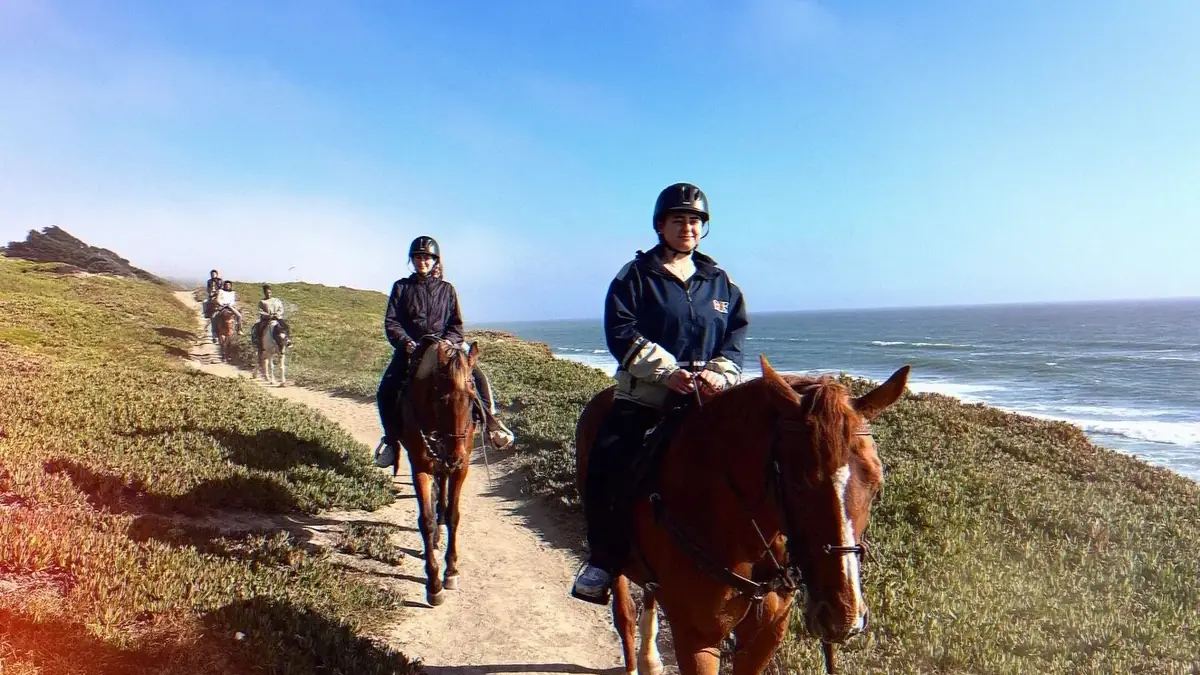
Ocean View Stables, Zachary's own business, runs its waivers this way: rider by rider, with a guardian for every child and paper recorded as a valid outcome.