In short
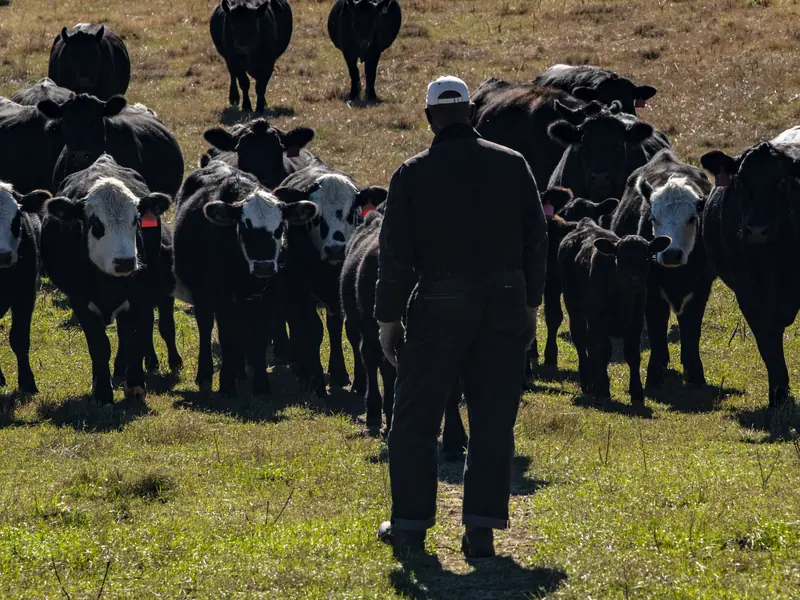
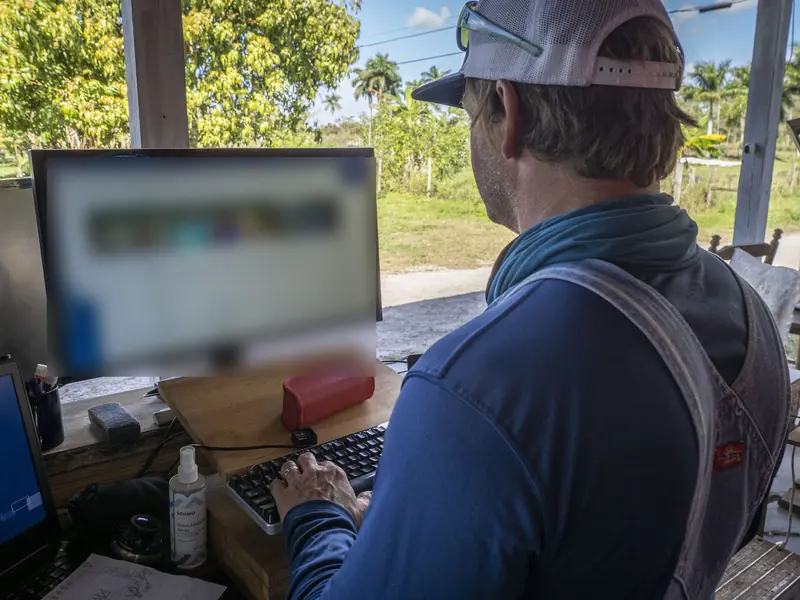
- Record at the chute and in the pasture, on a phone, not later from memory.
- Start with the tag, the date and what was done. Add a field only when someone uses it.
- Record each treatment with the product, the dose and the withdrawal date.
Start with the tag
Every record hangs off an ID the crew can read: the ear tag, the electronic ID, or a brand and a number. Pick the one that is on every animal, and one way of writing it. Tag 214 and tag 0214 should not be two cows.
Record what you will use
Most ranches need fewer fields than they think. A useful core is the tag, the sex, the birth date or year, the dam, where the animal is, and what was done to it and when. Add a field only when someone will use it to decide something: which heifers to keep, which cows to cull, what to sell.
Calving: one line per calf
At calving the record is short: the calf's tag, the dam's tag, the date, the sex, and the notes you already keep, such as birth weight or calving ease. Entered on a phone in the pickup, it is written once, not in a notebook and again at the kitchen table.
Working days: the group once, the exceptions one by one
On a working day, record what the whole group got once: the vaccines and the date. Then record only the exceptions, animal by animal: the calf that was treated, the cow that came up open, the weight of each one that crossed the scale.
Treatments and withdrawal times
When an animal is treated, record the product, the dose, the lot number, who gave it, and the withdrawal time from the label or your veterinarian. The record can then show which animals are still inside a withdrawal time, and until when.
Your veterinarian decides treatments, doses and withdrawal times. The system records what was decided and what was given, and shows the dates; it decides nothing.
Pastures and moves
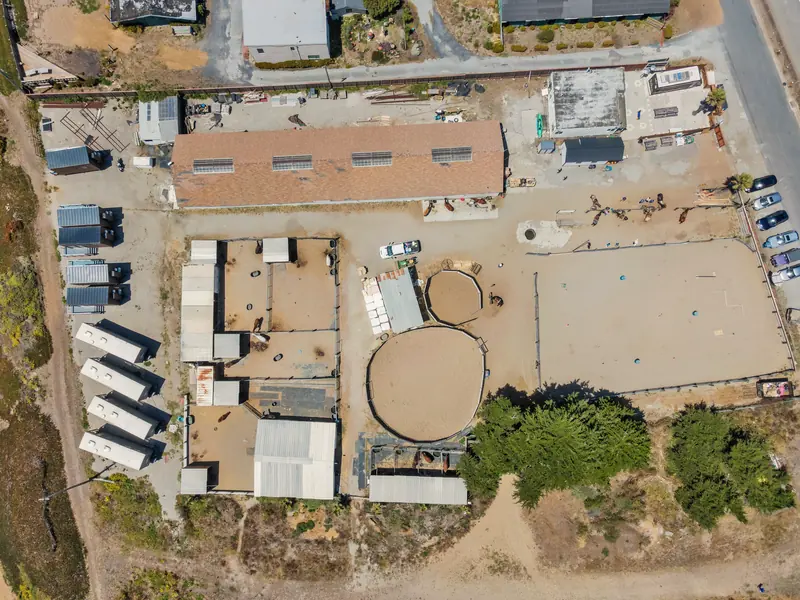
When a bunch moves, record the date, the pasture and the head count. Over a season that adds up to grazing days for each pasture: the record you want when you plan next year's grazing with whoever advises you on the land.
| When | What to record | Usually by |
|---|---|---|
| Calving | The calf's tag, the dam, the date, the sex, your notes | Whoever does the calving checks |
| Branding or a working day | Vaccines for the group; treatments and weights for each animal | The chute crew |
| Pregnancy check | Bred or open, and how far along, as your veterinarian finds | The crew, from the veterinarian's call |
| Pasture move | The date, the pasture, the head count | Whoever moves them |
| Weaning and sale | Weights, and who stays and who goes | The owner, with the crew |
| A death or a loss | The tag, the date, and the cause if known | Whoever finds it |
Make it quicker than the notebook
If the record takes longer than the notebook, the notebook wins. Look for big buttons, the last tag and pasture remembered, nothing required that cannot be answered at the chute, and a way to keep working when the signal drops in the pens. EID readers and scale heads can send tags and weights straight to the record; which ones connect is checked first.
Specialist herd software, or built for you
If your herd records already live in specialist software that works, keep it, and connect it to the rest of the ranch: the sale, the feed, the books. If they do not, a herd record can be built around how your crew works. Either way, standard business software has no cattle record of its own: it is built or connected, never simply switched on.