In short
- Keep one record per horse: its owner, its barn and its next date.
- Plan the day from what is due, barn by barn, and remind owners the day before.
- Record the work at the horse, so the invoice goes out before you leave.
One record per horse
Start with the horse, not the appointment. Each horse needs its owner, or its owners and their shares, the barn it lives at, who pays for its care, and the date it is next due. A farrier adds how many weeks the horse goes between visits and what it wears. A practice adds what each horse is due for, such as shots, a Coggins test, dental work or a recheck.
For a practice, this record is for the schedule and the bills. Exam notes, treatments and results stay in your veterinary practice software.
Let the due dates plan the week
When the next date is worked out from the last visit, the list of horses that are due builds itself. Sort it by barn, and the barn days follow from it.
Build the day by barn
Group the stops by barn and put them in driving order. Leave room in the day: for a vet, the emergency call that will come; for a farrier, the lost shoe that cannot wait. The day before, send each owner or barn manager a reminder asking for the horse to be caught and ready, with a way to move the visit. You find out the evening before, not at the gate, that a horse will not be there.
Requests in one place
Calls, texts and emails come in while your hands are full. A person at the office, voicemail or an automated assistant that says it is automated can take them. Whichever does, each request belongs on the record of the horse and its owner, not in your memory. Anything urgent, such as a hurt or lame horse, goes to a person at once, never into a message to read later.
Record the work at the horse
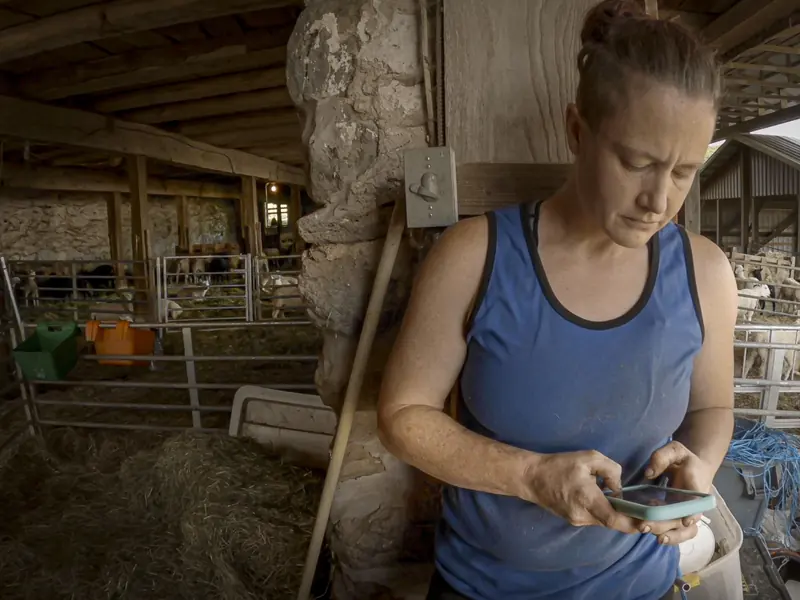
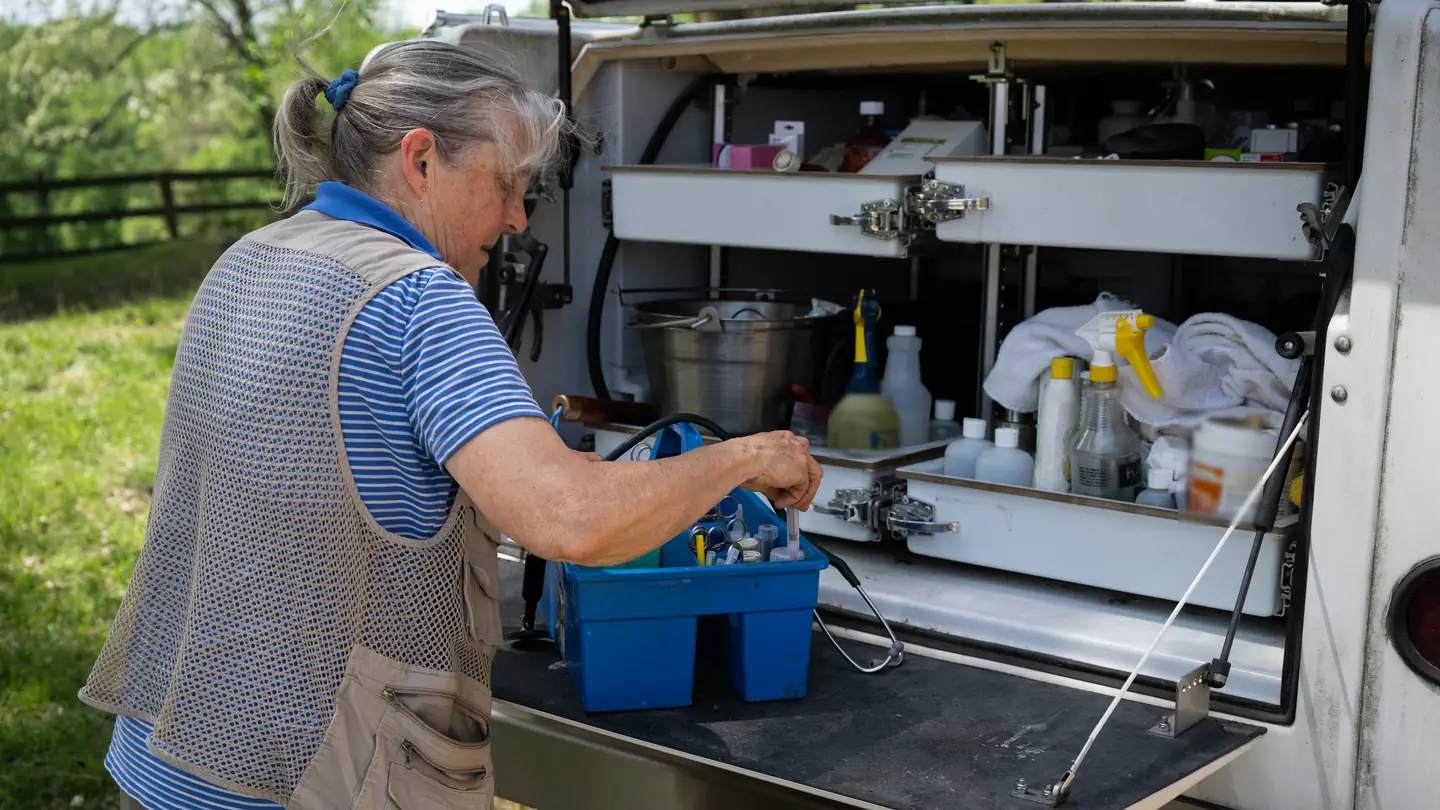
Before you move to the next horse, tap in what was done, on a phone, against the horse: the trim, the reset, the shoes and the pads, or the farm call, the exam, the treatments and the supplies. Recorded against the horse, each charge lands on the right owner's invoice, and what came out of the truck comes off its stock.
One barn, many owners
One visit to a boarding barn can cover a dozen owners' horses. Bill each owner for their own, or send one statement to the barn when the barn bills its boarders. Agree which with each barn and set it once. A horse with two owners is split by their shares, also set once, on the horse.
The invoice before the truck leaves
With the charges recorded at the horse, the invoice can go out the same day, by email or text, with a way to pay by card once a payment provider is connected. Barns and ranches you visit often can have an account with terms and a statement each month. Your accountant confirms how each service is taxed.
What stays with you
The system keeps the dates, the notes and the bills. Decisions about a horse's feet stay with the farrier, the owner and their veterinarian, and diagnoses and treatments with the veterinarian. For a practice, the medical record stays in the practice software, and the rules on prescriptions, controlled drugs and health papers come from your state board and federal agencies.
A checklist for the first month
- Every horse has an owner, or owners with their shares, and a barn.
- Every horse has its next date, or what it is due for.
- Each barn knows its day, and who to call to move it.
- Every service you charge for has a name in the system that matches your price list.
- The notebook or the old calendar stays for a month, until the dates match.
- One trial invoice is checked line by line before any go out.